
What is AI for Small Business? 10 Tools to Streamline Work
What is AI for Small Business? 10 Tools to Streamline Work
Feb 18, 2026
What is AI for small business? For many entrepreneurs, the term conjures images of complex robotics or high-level data science. However, in the modern landscape, artificial intelligence is simply a collection of smart tools designed to handle repetitive tasks, analyze data, and create content. As an AI strategy and implementation expert, I, Georgina Salgado Chavez, have seen firsthand how these technologies transform operations. In this guide to AI adoption for small businesses, you will learn about the essential tools that allow you to work smarter, not harder.
Understanding how does AI help small businesses starts with recognizing the gap between your current resources and your growth goals. Whether you are a solo founder or leading a growing team, integrating automation into your daily routine is no longer optional—it is a competitive necessity. This introduction to AI for small business owners will walk you through ten powerful tools that address everything from project management to sentiment analysis, helping you achieve true operational efficiency.
1. ChatGPT and Claude for Rapid Content Production
 1. ChatGPT and Claude for Rapid Content Production
When explaining generative AI to small business owners, I always start with large language models like ChatGPT and Claude. These tools act as highly sophisticated assistants capable of drafting emails, blog posts, and marketing copy in seconds. By providing a simple prompt, you can generate a week’s worth of social media content or draft complex business proposals. This is one of the most accessible AI for small business examples because it requires no technical background to see immediate results.
To maximize these tools, focus on how to use AI in my small business for brainstorming and refinement. Instead of asking for a finished product, use these platforms to create outlines or alternative perspectives on a problem. For instance, Claude is particularly adept at maintaining a professional brand voice, while ChatGPT excels at creative ideation. By utilizing these generative tools, you can reduce the time spent on administrative writing by up to 70%, allowing you to focus on high-level strategy and client relationships.
Furthermore, these platforms offer a low-cost introduction to AI for small business owners who are hesitant to invest heavily. Most offer free tiers or low-cost monthly subscriptions, making them ideal for AI for beginners in business. By starting here, you can build the confidence needed to explore more specialized tools that handle data and technical operations.
2. Monday.com for Automated Project Management
One of the primary benefits of AI for small business is the ability to manage complex projects without a dedicated project manager. Monday.com has integrated AI features that assist with automated project management and resource allocation. It can predict potential bottlenecks in your workflow and suggest adjustments to your timeline based on historical data. This proactive approach ensures that your team remains productive without the constant need for manual oversight.
When considering how does artificial intelligence work for startups, Monday.com provides a clear answer: it turns static spreadsheets into dynamic, self-adjusting roadmaps. The AI can automatically assign tasks based on team member availability and skill sets, ensuring that no one is overwhelmed. This level of automation is crucial for scaling businesses that need to maintain high standards while growing their output.
Using these features is a key step in Ayfiing your business. By delegating the "tracking" of work to an algorithm, you free up mental bandwidth. For a small business owner, this means fewer missed deadlines and a clearer view of the company’s overall health. If you are looking for how to get started with AI for business, optimizing your task management is a high-impact first step.
3. HubSpot AI for Customer Insight and CRM
If you are wondering what can AI do for a company regarding sales, HubSpot AI is the gold standard. It utilizes machine learning to analyze customer interactions across email, social media, and your website. This AI-driven customer insight allows you to identify which leads are most likely to convert, saving your sales team hours of cold outreach. The system automatically scores leads and suggests the best time to follow up, based on the prospect's previous behavior.
For those interested in AI for beginners in business, HubSpot simplifies the data. You don't need to be a data scientist to understand the reports; the AI highlights the "why" behind the numbers. It can tell you that a certain customer segment is losing interest or that a specific marketing campaign is driving high-value traffic. This level of intelligence was once only available to enterprise-level corporations with massive budgets.
Implementing HubSpot is a vital part of any guide to AI adoption for small businesses. It bridges the gap between marketing and sales, ensuring that every customer touchpoint is informed by data. By automating the data entry and analysis process, your team can focus on building genuine human connections with your clients.
4. Brandwatch for Sentiment Analysis
Understanding public perception is critical, and AI-driven customer insight and sentiment analysis tools like Brandwatch make this easy. Brandwatch uses natural language processing (NLP) to "listen" to what people are saying about your brand across the web. It doesn't just track mentions; it analyzes the tone—detecting whether a comment is positive, negative, or neutral. This is a perfect example of how does AI help small businesses protect their reputation in real-time.
For a small business, a single viral negative review can be devastating. Brandwatch alerts you to shifts in sentiment before they become full-blown crises. Conversely, it can help you identify what customers love about your competitors, providing you with a roadmap for product improvement. This is a sophisticated way of Ayfiing your business by staying one step ahead of the market conversation.
When explaining generative AI to small business owners, I often compare it to these analytical tools. While generative AI creates, sentiment analysis interprets. Both are necessary for a holistic business strategy. Using Brandwatch ensures that your marketing messages resonate with your audience's current mood and needs, leading to higher engagement and loyalty.
5. GitHub Copilot for Rapid Code Production
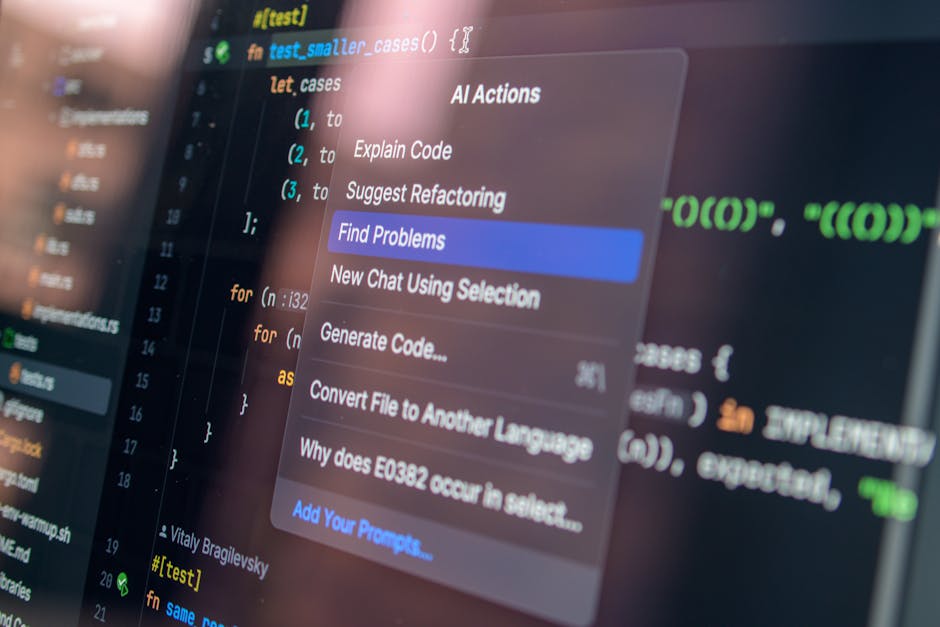 5. GitHub Copilot for Rapid Code Production
Even if you aren't a tech company, you likely have a website or internal tools that require maintenance. GitHub Copilot is a generative tool for rapid code production that assists developers (or even savvy owners) in writing software faster. It suggests entire blocks of code based on the context of what you are building. This significantly lowers the barrier to entry for custom software development, answering the question: how does artificial intelligence work for startups with limited technical staff?
By using Copilot, small businesses can build custom features for their websites or automate internal data processing without hiring a massive engineering team. It acts as a pair-programmer, catching errors and suggesting more efficient ways to structure code. This AI for small business example shows how technology can level the playing field between small shops and global giants.
For those looking for a guide to AI adoption for small businesses, consider how your technical infrastructure could benefit from automation. Even simple scripts that move data between apps can be written with the help of AI, saving your business thousands of dollars in development costs. It is a fundamental tool for any business looking to innovate quickly.
6. Canva Magic Studio for Visual Content
Marketing requires a constant stream of visuals, and Canva Magic Studio is the ultimate AI for beginners in business tool for design. Its "Magic Design" feature allows you to upload a photo and automatically generates a variety of branded templates for social media, presentations, and flyers. This is a prime example of how to use AI in my small business to maintain a professional aesthetic without a full-time graphic designer.
The suite also includes AI-powered image editing, such as "Magic Grab," which lets you move elements within a photo as if they were separate layers. This level of control allows for rapid content production that looks high-end. For small business owners, this means your brand can look as polished and professional as any major corporation, regardless of your design skills.
Canva’s AI features address the benefits of AI for small business by reducing the cost of content creation. Instead of waiting days for a designer to return a simple social media post, you can generate, edit, and publish in minutes. This agility is essential in a fast-paced digital economy where being first to a trend can lead to significant growth.
7. Jasper for Marketing Strategy and Copy
While general tools like ChatGPT are great, Jasper is specifically built for marketers. It understands SEO, brand voice, and conversion rates. For an introduction to AI for small business owners who need a marketing boost, Jasper is invaluable. It can take a single blog post and turn it into a month's worth of multi-channel content, including emails, LinkedIn posts, and ad copy.
Jasper helps in Ayfiing your business by ensuring consistency. You can upload your brand guidelines, and the AI will ensure every piece of content it generates adheres to your specific tone. This solves one of the biggest challenges for growing businesses: maintaining a consistent voice as more people (or machines) start creating content for the brand.
When considering what is AI for small business, think of Jasper as a specialized member of your marketing team. It doesn't just write; it strategizes. It can suggest titles that are more likely to rank on Google or calls-to-action that have higher click-through rates. For a startup, this expertise is a game-changer for digital presence.
8. Otter.ai for Meeting Productivity
Meetings are often where productivity goes to die, but Otter.ai changes that dynamic. This tool uses AI to transcribe meetings in real-time and, more importantly, generates automated summaries and action items. This is a practical how to get started with AI for business step because it immediately improves communication and accountability within your team.
Instead of one person being distracted by taking notes, the entire team can engage in the conversation. Otter.ai identifies different speakers and allows you to search through transcripts for specific keywords later. This is a perfect example of how does AI help small businesses stay organized as they scale and the number of meetings inevitably increases.
For AI for beginners in business, Otter.ai is a "set it and forget it" tool. It integrates with Zoom, Google Meet, and Microsoft Teams, automatically joining your calls to take notes. The time saved on post-meeting recaps and administrative follow-ups can add up to several hours per week for every employee.
9. Zendesk AI for Automated Customer Support
 9. Zendesk AI for Automated Customer Support
Customer service is a significant drain on small business resources. Zendesk AI offers AI for small business examples that focus on efficiency. Its AI agents can handle common customer queries—like tracking an order or resetting a password—without any human intervention. This allows your small team to focus on complex customer issues that require a human touch.
The system also uses sentiment analysis to prioritize tickets. If a customer is clearly frustrated, the AI can move that ticket to the front of the queue and alert a manager. This is how does artificial intelligence work for startups that want to provide "white-glove" service without the enterprise-level headcount. It ensures that no critical issue falls through the cracks.
Integrating Zendesk is a core component of a guide to AI adoption for small businesses. It transforms support from a reactive cost center into a proactive department that builds customer loyalty. By providing instant answers 24/7, you meet the high expectations of modern consumers while keeping your overhead low.
10. Zapier for Workflow Automation
If you want to know how to use AI in my small business to connect all these disparate tools, Zapier is the answer. Zapier acts as the "glue" for your tech stack, allowing different apps to talk to each other. With its new AI features, you can now build complex automations using natural language. You can simply tell Zapier, "When I get a new lead in HubSpot, send a summary to Slack and create a task in Monday.com," and it will build the workflow for you.
This is the ultimate tool for Ayfiing your business. It eliminates the "busy work" of moving data between platforms. For a small business owner, this means your various AI tools work together as a cohesive system rather than isolated silos. This integration is what leads to true operational efficiency and allows a small team to punch far above its weight class.
Zapier is often the final piece of the puzzle in what is AI for small business. It allows you to create a customized, automated ecosystem that runs in the background. By automating these workflows, you ensure that your business operates smoothly even when you are not actively monitoring every single process.
Bonus: Midjourney for Creative Branding
As a bonus for those looking to push the boundaries of rapid content production, Midjourney is a generative AI tool that creates stunning, high-quality images from text descriptions. For a small business, this means you can create custom stock photography, unique website backgrounds, or even product concepts for a fraction of the cost of a professional photoshoot. It is a powerful way to define your brand's visual identity with unique assets that no one else has.
In conclusion, the benefits of AI for small business are vast and accessible. From automated project management to AI-driven customer insight, these tools provide the leverage needed to grow in a competitive market. By following this guide to AI adoption for small businesses, you can begin your journey toward a more efficient, data-driven, and successful future. Start small, pick one or two tools that address your biggest pain points, and watch as artificial intelligence transforms your daily operations.